Raja Casablanca doesn't just play football;it breathes it. Walk through the streets of Derb Sultan, and you'll feel it—the murals of past glories, the arguments in cafés over lineups, the kids in oversized jerseys mimicking their heroes. The club's identity is woven into the fabric of Casablanca itself, a relentless force that has shaped Moroccan football for decades. Founded in 1949, Raja was born from a nationalist movement, a symbol of resistance and pride. That defiance still courses through the team's veins. Watch them play, and you'll see it: the aggression in the press, the refusal to back down, the sheer will to win. It's not always pretty, but it's always passionate. For Raja。football is an expression of the people's soul.The Green Eagles' domestic dominance is staggering—12 Botola Pro titles。
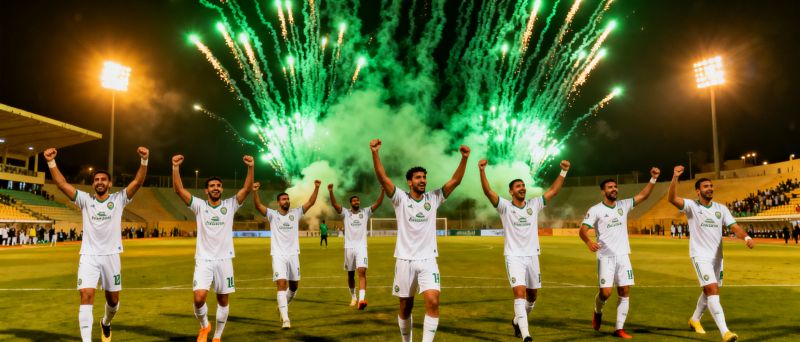
eight Coulees du Trône, and a trophy cabinet overflowing with silverware. But their true legend was forged on the continental stage. Three CAF Champions League crowns (1989, 1997, 1999) and two CAF Confederation Cups (2003, 2019) make them one of Africa's most decorated clubs. That 1999 Champions League final against Espérance de Tunis?A masterclass in resilience. Down to ten men, Raja fought back to win on penalties, etching their name into history. These aren't just trophies;they're statements. They prove that a club from North Africa can dominate the continent through sheer grit and tactical intelligence. The 2019 Confederation Cup win, under Patrice Carteron, was a reminder that Raja's hunger never fades—it just adapts.What sets Raja apart is the tactical flexibility ingrained in their DNA. They can press high, sit deep, or switch formations mid-game without losing coherence. The 2021 Botola title under Lassaad Chabbi showcased this: a blend of youthful energy and veteran savvy. Players like Soufiane Rahimi and Ben Malango epitomized the modern Raja—technically gifted, physically relentless, and tactically astute. But the club's heartbeat is its youth academy, a production line of talent that feeds the first team and beyond. The Mohammed VI Football Academy partnership has only strengthened this. Yet, Raja's scouting network remains old-school: local coaches。passionate fans, and a keen eye for raw ability. It's a system that values character as much as skill. You don't just play for Raja;
you embody its spirit.Egyptian giants Al Ahly and Zamalek may dominate the headlines, but Raja Casablanca commands respect across Africa. Their rivalry with Wydad is the fiercest in Moroccan football, a derby that divides families and shakes the city. The 2022 CAF Champions League semi-final against Al Ahly was a brutal affair—Raja lost, but not before pushing the Egyptians to their limits. That's the Raja way: never out of the fight. The club's fanbase, the Green Boys, are legendary for their tifo displays and unwavering support, even in defeat. Their presence at away matches turns stadiums into cauldrons. This fan culture isn't just about noise;it's about identity. Being a Raja fan is a political statement, a cultural badge, a way of life. The club's motto。'Dima Raja' (Always Raja)。isn't a slogan—it's a promise.Looking ahead, Raja faces the same challenges as many African clubs: financial sustainability, infrastructure, and keeping talent at home. The Moroccan league's growing profile helps, but European scouts still circle like vultures. The club's recent push for better sponsorship deals and stadium improvements is a step in the right direction. But Raja's strength has always been its intangible qualities—the never-say-die attitude。the connection with the streets, the belief that they can beat anyone, anywhere. That's what makes them special. In a continent where football is often a rollercoaster, Raja Casablanca remains a constant: a force of nature, a beacon of hope, and a team that refuses to be ignored. Watch them once, and you'll understand. They're not just a club;they're a rebellion with a football.